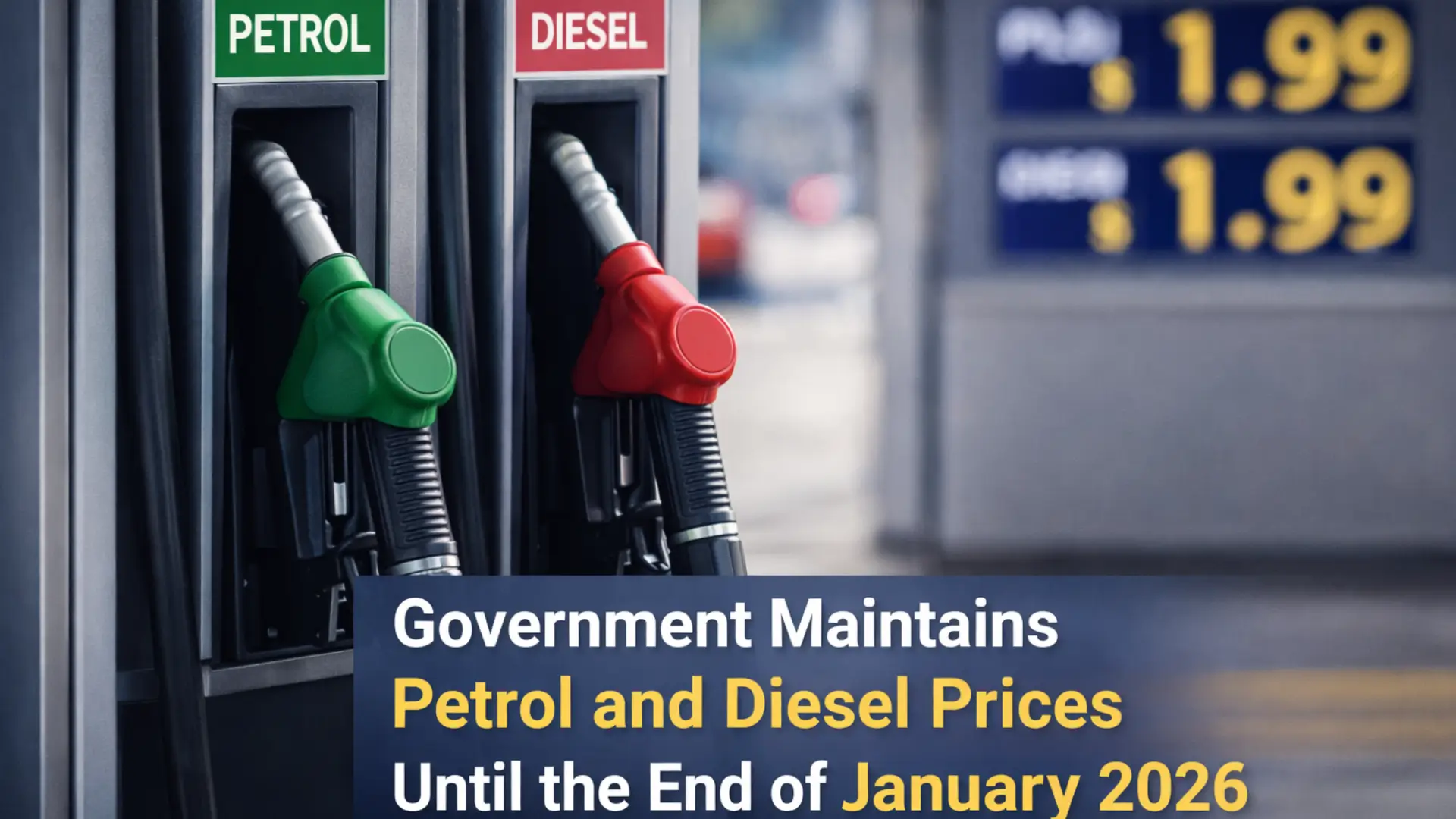
Government Maintains Petrol and Diesel Prices Until the End of January 2026. The Government of Pakistan has announced that petrol and diesel prices will remain unchanged until January 31, 2026. The decision comes at a time when millions of people across the country continue to struggle with high living costs and fuel-driven inflation. By keeping prices stable, the government aims to offer short-term relief and prevent further pressure on household budgets.
Fuel Prices to Remain Stable in January 2026

According to the official notification, there will be no upward or downward revision in fuel prices for the remaining days of January. This decision stands despite ongoing fluctuations in international oil markets and continued pressure on the exchange rate. The government confirmed that both petrol and high-speed diesel will continue to sell at existing rates until the end of the month, unless a new revision is announced.
Current Petrol and Diesel Prices in Pakistan
At present, high-speed diesel is priced at Rs. 257.08 per litre, while motor spirit petrol stands at Rs. 253.17 per litre. Both fuel prices remain unchanged and will stay effective until January 31, 2026. These rates apply nationwide and cover the second half of the month.
Who Recommended Keeping Fuel Prices Unchanged
The decision followed recommendations from the Oil and Gas Regulatory Authority, commonly known as OGRA. The authority reviews several factors before advising the government on fuel pricing. These include global crude oil prices, exchange rate movements, import premiums, inland freight costs, and the government’s existing tax structure. After assessing these elements, OGRA suggested maintaining current prices to avoid adding financial strain on consumers.

Role of the Ministry of Energy
The final announcement was issued through a press release by the Ministry of Energy (Petroleum Division). The ministry clarified that the unchanged prices took effect from January 16, 2026, covering the second fortnight of the month. Officials described the move as a cautious step aligned with broader economic stabilization efforts.
What Happened Earlier in January
During the first half of January 2026, the government provided notable relief to fuel consumers. Petrol prices were reduced by Rs. 10.28 per litre, while diesel prices saw a cut of Rs. 8.57 per litre. These reductions were widely welcomed by transporters, daily commuters, and businesses that rely heavily on fuel-based logistics.
Why Fuel Prices Matter in Pakistan
Fuel prices play a central role in Pakistan’s economy. Any change in petrol or diesel rates directly affects transportation costs, which then influence food prices and the cost of daily essentials. Diesel prices also impact electricity generation, as fuel costs feed into power production expenses. Because of these links, fuel price adjustments often trigger broader inflation across multiple sectors. Keeping prices unchanged, even temporarily, helps control inflationary pressure.

Economic Context Behind the Decision
The government’s move comes during a sensitive economic phase. Pakistan continues to manage IMF-linked reforms, stabilize foreign exchange reserves, and control inflation trends. At the same time, authorities are under pressure to support household purchasing power. Freezing fuel prices reflects an attempt to balance fiscal needs with public relief.
Public Reaction to the Announcement
Public response to the decision has been mostly positive. Transporters welcomed the stability in diesel prices, while daily commuters appreciated predictable petrol costs. Small businesses also found it easier to plan expenses without fear of sudden price hikes. However, many consumers still expect long-term reforms to address fuel pricing and energy costs more sustainably.
Global Oil Prices and Pakistan’s Fuel Policy
Pakistan relies heavily on imported petroleum products, which makes local fuel prices sensitive to global crude oil movements. Despite international market volatility, the government chose stability for the remainder of January. This signals a consumer-focused approach, at least in the short term.

What to Expect After January 2026
Fuel prices in Pakistan are reviewed every fortnight. Once January ends, prices may change based on international oil trends, the rupee-dollar exchange rate, government tax decisions, and IMF-related requirements. Consumers should watch for the next price review expected in early February 2026.
Frequently Asked Questions
Are petrol prices increasing in Pakistan in January 2026?
No. Petrol prices will remain at Rs. 253.17 per litre until the end of January 2026.
What is the current diesel price in Pakistan?
High-speed diesel is currently priced at Rs. 257.08 per litre.
Who decides fuel prices in Pakistan?
OGRA reviews fuel costs and sends recommendations to the federal government for final approval.
When will fuel prices be reviewed again?
Fuel prices are usually reviewed every 15 days. The next review is expected in early February 2026.
Why did the government not reduce prices further?
Global oil prices, import costs, exchange rate pressures, and fiscal constraints influenced the decision to keep prices unchanged.

Conclusion
The government’s decision to keep petrol and diesel prices unchanged until the end of January 2026 offers temporary relief during a challenging economic period. While price stability helps consumers manage daily expenses and plan budgets, long-term relief will depend on energy sector reforms, economic recovery, and global oil market trends. For now, the move provides breathing space for households and businesses across Pakistan.